 Arouca Hub
Os Arouquenses have demonstrated resilience and flashes of brilliance in recent outings, yet a deeper dive into our tactical approach reveals a persistent struggle to consistently convert promising performances into maximum points. While the fighting spirit of Os Arouquenses is never in question, particularly at our Stadium, the fine margins in the Primeira Liga demand tactical precision. We need to identify specific points of friction that prevent us from climbing higher.
One recurring theme in our recent form is the vulnerability during defensive transitions. When we commit players forward, eager to break down an opponent's organised defense, the loss of possession often leaves us exposed. Opponents are quick to exploit the spaces vacated by our full-backs and advanced midfielders, launching rapid counter-attacks that frequently catch our central defenders in uncomfortable one-on-one situations or facing numerical disadvantages. This isn't a failure of individual effort but rather a systemic issue in our immediate reaction and collective shape upon losing the ball. The midfield's recovery runs need to be more immediate and coordinated, creating a protective shield for the defensive line before the opposition can build momentum.
Another area ripe for tactical refinement lies in our offensive creativity, particularly in the final third. We often maintain good possession and build-up play, circulating the ball effectively in deeper areas. However, as we approach the opposition's penalty box, our attacks can sometimes become predictable or lack the incisive edge required to unlock compact defenses. We see plenty of crosses, but are they always reaching the optimal targets? Is there enough movement off the ball to create passing lanes and drag defenders out of position? Too often, our forwards find themselves isolated against multiple defenders, or our midfielders are hesitant to make penetrative runs into the box.
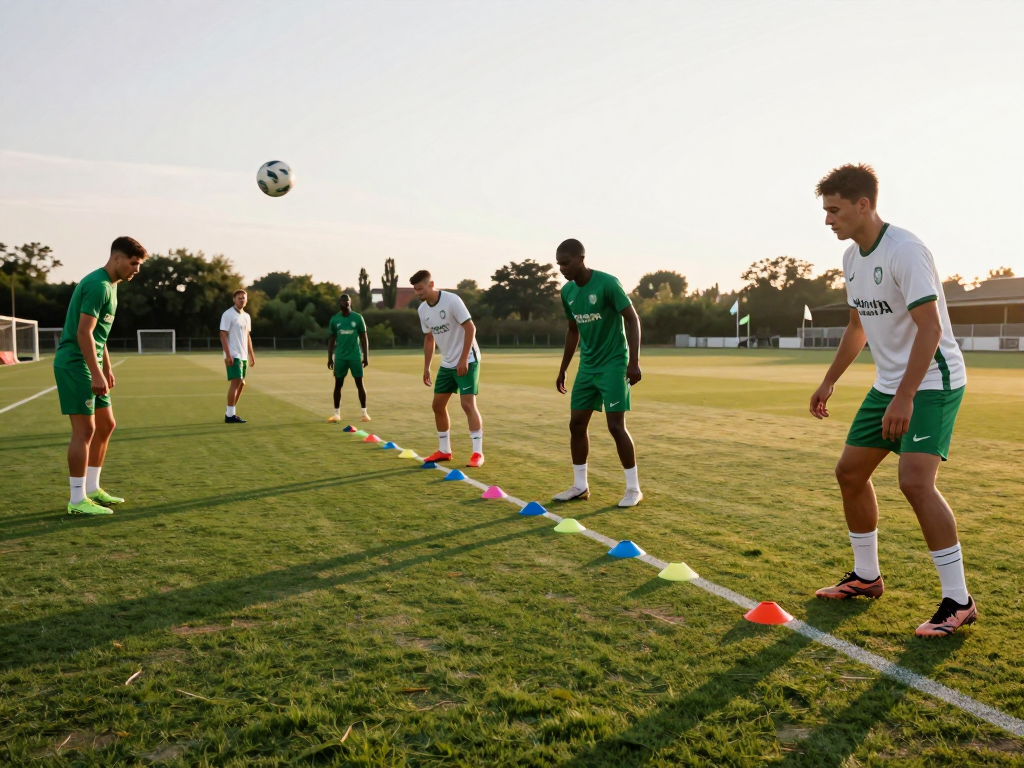
To address these points, I propose a couple of strategic tweaks that could significantly bolster our performance. For defensive transitions, we could implement a more defined “counter-press” trigger immediately after losing possession. This means the nearest three players actively hunt the ball down, while the remaining players quickly drop back into a compact defensive block, denying space and time for the opposition to launch their attack effectively. This collective responsibility would ease the burden on individual defenders. Additionally, perhaps one of our central midfielders could be given a slightly more disciplined role as a dedicated defensive pivot, maintaining closer proximity to the defensive line when we are in the attacking phase, acting as a crucial screen and an immediate outlet for recovery.
In terms of offensive creativity, we need to inject more dynamism and unpredictability. Encouraging our wide players to not only cross but also to cut inside and combine with central attackers would add another dimension to our threat. We should also work on more intricate triangular passing patterns around the box, designed to draw defenders out and create quick one-two combinations for penetrating runs. Furthermore, empowering our central midfielders to make more frequent, late runs into the penalty area, arriving unmarked to meet cut-backs or second balls, could significantly increase our goal-scoring opportunities. These subtle shifts, focusing on collective reaction and diversified attacking patterns, could be the catalyst Os Arouquenses need to convert promising performances into consistent victories in the demanding Primeira Liga.